News & Events
6 Key Cost Drivers in Aloe Vera Drink Co-Packing and How to Negotiate Better
Understand the 6 key cost drivers behind aloe vera drink co-packing, including pricing, MOQs, packaging, and negotiation tips for brands and importers targeting the UAE market.
1. Overview of Co-Packing in Beverage Production
Co-packing (contract packing) in beverage production refers to outsourcing manufacturing activities—such as formulation, blending, filling, packaging, labeling, and quality control—to a third-party facility.
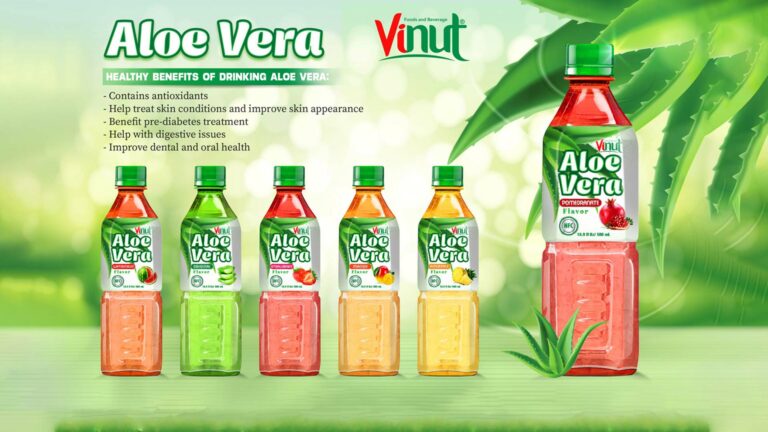
For brands looking to launch or scale an aloe vera drink line without heavy capital investment, co-packing offers flexibility, speed, and access to specialized production capabilities. It is especially relevant for companies planning to build their own aloe vera drink brand before committing to in-house manufacturing:
👉 Build Your Own Aloe Vera Drink Brand
Despite these advantages, aloe vera drinks involve more complex processing and quality control than standard beverages, which makes cost structures harder to evaluate without a clear framework.
2. Cost Driver #1: Aloe Vera Raw Material Quality and Sourcing
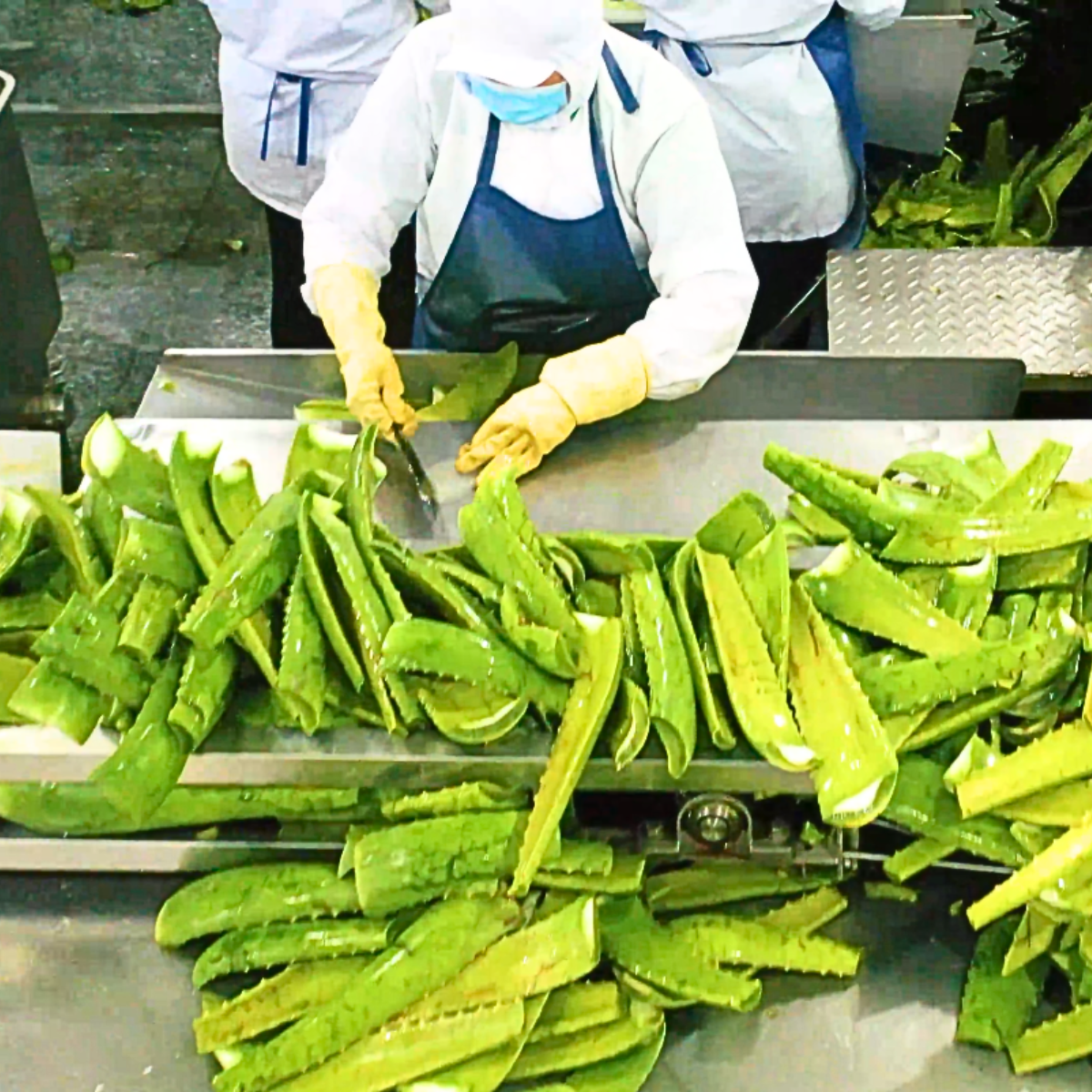
Raw material is typically the largest cost component in aloe vera drink co-packing.
Cost differences are driven by:
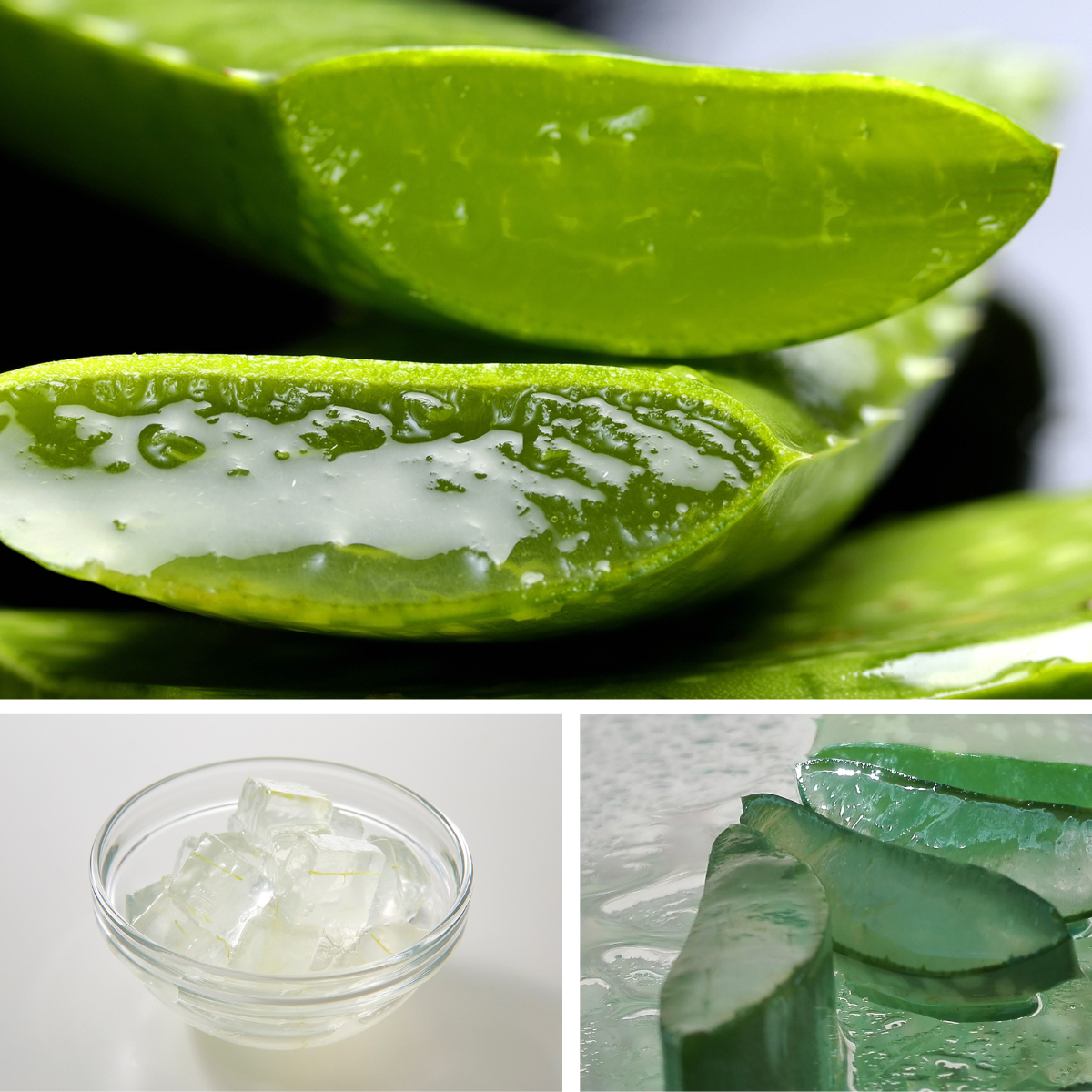
Aloe form (gel, juice, concentrate, pulp)
Aloe vera content percentage
Source and supply stability
Certification or compliance requirements (e.g., Halal, Non-GMO)
Higher-grade or certified raw materials increase product credibility but also raise baseline production costs. Brands should clarify raw material specifications early to avoid misaligned quotations.
3. Cost Driver #2: Formulation and Processing Complexity
Aloe vera requires careful formulation and processing to maintain:
Flavor balance
Visual clarity
Functional positioning
Shelf-life stability
Costs rise when:
A custom formulation replaces a standard base
Preservative systems are restricted
Additional stability or shelf-life testing is required
When evaluating co-packers or OEM partners, brands should assess technical capability alongside cost impact, not pricing alone:
👉5 Key Factors to Evaluate an Aloe Vera Drink Contract Manufacturer
4. Cost Driver #3: MOQ, Batch Size, and Production Frequency
Minimum order quantity (MOQ) and batch size have a direct effect on unit cost.
Higher costs are commonly associated with:
Small production batches
Frequent line changeovers
Multiple SKUs produced in short intervals
Efficient production planning—aligned with realistic sales forecasts—helps reduce setup costs and improve cost predictability over time.
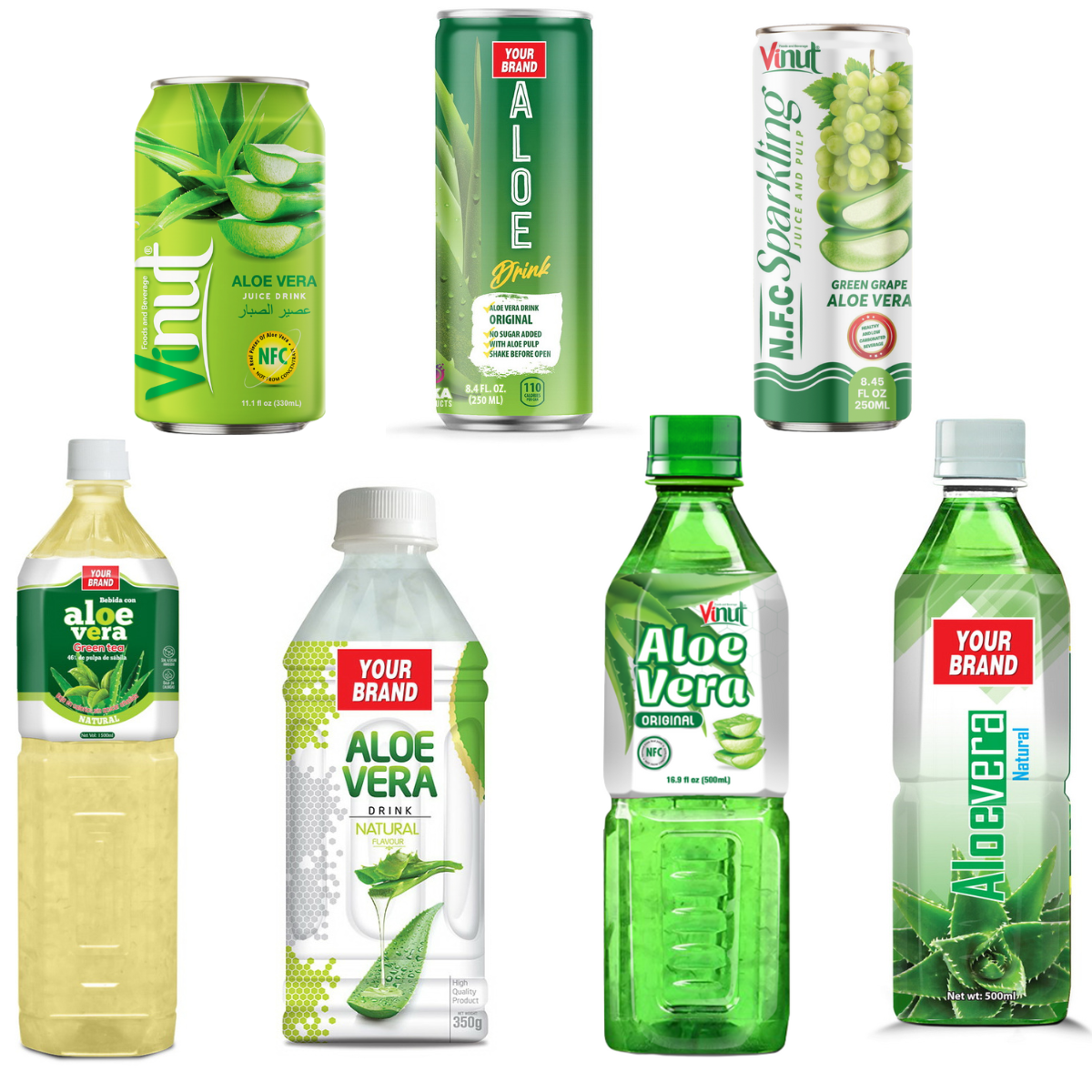
5. Cost Driver #4: Packaging Format and Materials
Packaging is often underestimated as a cost driver in aloe vera drink co-packing.
Cost-sensitive elements include:
Bottle type (PET, glass, aseptic carton)
Labeling method (pre-printed vs applied labels)
Closures, seals, and secondary packaging
Complex or premium packaging formats may slow production lines or require manual handling, increasing labor and overhead costs.
6. Cost Driver #5: Quality Assurance, Certifications, and Compliance
Quality assurance requirements add both direct and indirect costs to aloe vera drink co-packing.
Typical cost-related factors include:
Food safety management systems (such as HACCP or ISO 22000)
Batch testing, laboratory analysis, and documentation
Traceability systems and record-keeping requirements
Third-party audits or customer-specific inspections
Codex Alimentarius: International food safety standards and guidelines for beverage manufacturing and quality control.
Understanding how QA-related costs are structured—and whether they are bundled into production pricing or charged separately—is critical when reviewing and comparing co-packing quotations.
7. Cost Driver #6: Operational Efficiency and Hidden Charges
Beyond visible line items, several operational factors can significantly affect total cost:
Yield loss and raw material waste allowances
Line downtime and rework
Storage and internal handling
Setup and changeover fees
These costs are often overlooked during initial discussions but can materially impact long-term profitability.
How to Negotiate Better Co-Packing Terms ❓
Effective negotiation focuses on structure and transparency, not just headline price.
Practical negotiation levers include:
Committing to phased volume increases over time
Reducing SKU and packaging complexity
Requesting detailed cost breakdowns
Defining clear raw material price adjustment mechanisms
Spreading R&D costs across future production runs
A well-prepared brand typically achieves better terms than one negotiating purely on price.
Common Pitfalls to Avoid
Accepting “all-in” pricing without a cost breakdown
Ignoring yield and waste assumptions
Overlooking QA, audit, or rework responsibilities
Failing to define exit or transfer conditions
Underestimating storage and internal logistics costs
Conclusion
Aloe vera drink co-packing is not simply about choosing the lowest quote. It requires a clear understanding of cost drivers, operational trade-offs, and long-term scalability.
Brands that approach co-packing with the right cost framework and negotiation strategy are better positioned to achieve stable margins, reliable supply, and sustainable growth.
To discuss aloe vera drink co-packing, formulation, or beverage manufacturing projects in Dubai, contact VINUT META FOODSTUFF TRADING L.L.C, the Dubai branch office of Nam Viet Group, a leading beverage manufacturing and co-packing group based in Vietnam.
DUBAI OFFICE
- VINUT META FOODSTUFF TRADING L.L.C
- Block A5-12, Floor M2, Burj Nahar Mall, Al Muteena, Dubai, United Arab Emirates, 25314