News & Events
100% Juice OEM Manufacturing: What Brands Need to Know
Creating a beverage line that truly contains 100% juice is a powerful way for brands to position themselves as premium, healthy, and trustworthy. However, producing a pure juice product under an OEM model requires strict control over ingredients, processing, documentation, and compliance. This guide explains what brands must know when working with a 100% juice OEM manufacturer, and how to ensure product integrity from formulation to final shipment.
1. Clarify What “100% Juice” Means for Manufacturing and Labeling
“100% juice” refers to a beverage made entirely from the liquid extracted from fruits or vegetables—without added sugars, sweeteners, colors, flavors, or non-juice ingredients.
For OEM production, this definition impacts:
Formulation rules: Only pure juice or juice concentrates reconstituted with water to original strength may be used.
Labeling compliance: Markets like the EU, US, and Australia have strict regulatory definitions for “100 percent juice.”
Transparency requirements: OEM partners must provide full traceability for fruit origin and processing steps.
Brands must understand these requirements before briefing any 100 percent juice OEM partner to avoid legal issues or misleading claims.
2. Implications for Ingredient Sourcing and Production Process
Producing pure juice demands precise sourcing and controlled processing workflows. Key considerations include:
Fruit quality and maturity: Only high-grade, fully ripened fruit can deliver correct Brix, acidity, and flavor profiles.
Supplier certifications: Global GAP, organic certificates, pesticide-residue compliance, and allergen statements.
Extraction methods: Cold-press vs. standard pressing vs. puree processing, depending on juice type.
Concentration and reconstitution: If using concentrates, OEM manufacturers must match original juice strength before filling.
Thermal or aseptic processing: To retain nutrients while meeting safety standards.
Working with a pure juice OEM partner experienced in whole-fruit processing helps maintain authentic flavor and nutritional value.
3. Quality Standards and Testing for Pure Juice
To claim “100% juice,” stringent quality testing is required. Brands should ensure the OEM conducts:
Brix measurement to verify natural sugar content
Acid ratio tests to confirm fruit authenticity
Pesticide-residue and microbiological testing
Additive screening to ensure no added sugar, color, or flavor is present
Heavy metal testing (lead, arsenic, cadmium, mercury)
Shelf-life stability tests
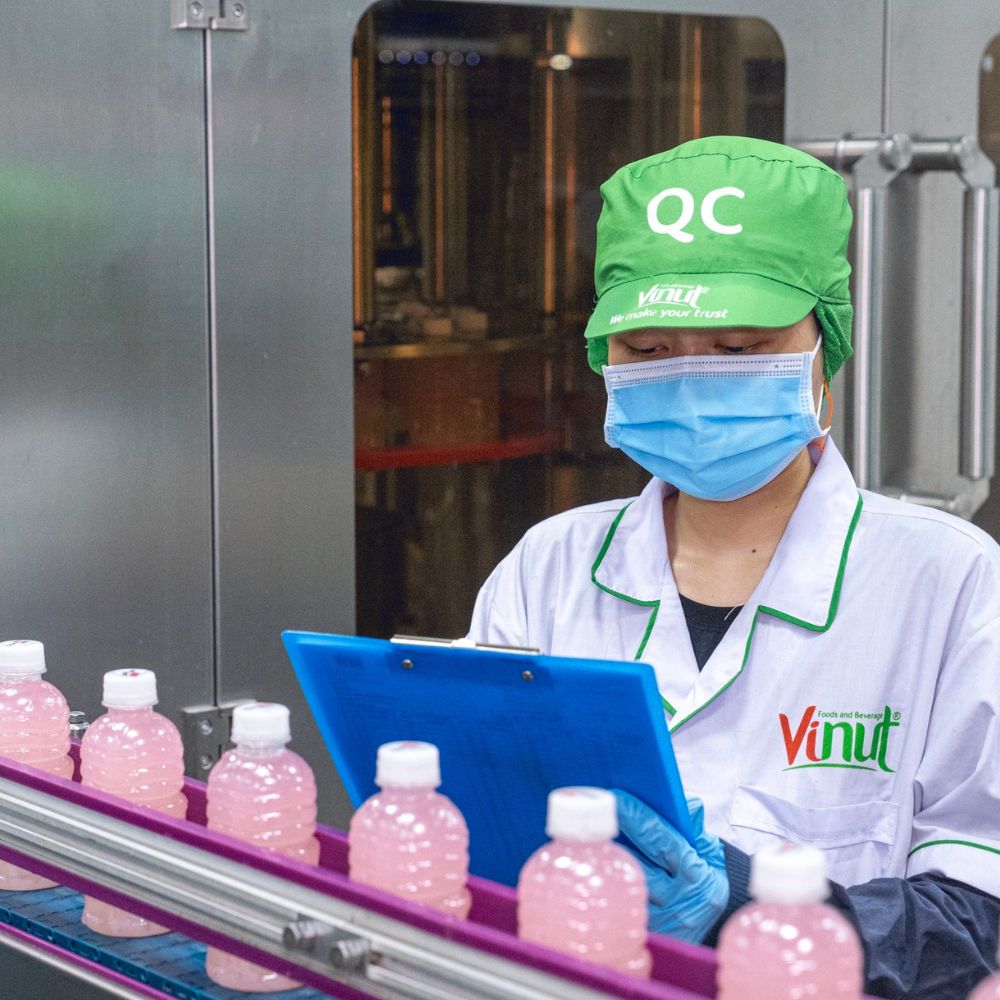
A reliable pure fruit juice manufacturer should have an in-house or certified third-party laboratory to provide complete testing results for every batch.
4. Selection Criteria for OEM Partners Focused on Pure Juice
Choosing the right OEM partner is critical. Brands should evaluate:
Technical Capabilities
Experience producing whole fruit juice OEM products
Ability to handle NFC (Not-From-Concentrate) and concentrated juice
High-quality extraction, filtration, pasteurization, and aseptic filling lines
Certifications
HACCP, ISO 22000, FSSC 22000
Halal, Kosher, Organic, Non-GMO if needed
Compliance with FDA, EU, or country-specific regulations
Supply Chain Strength
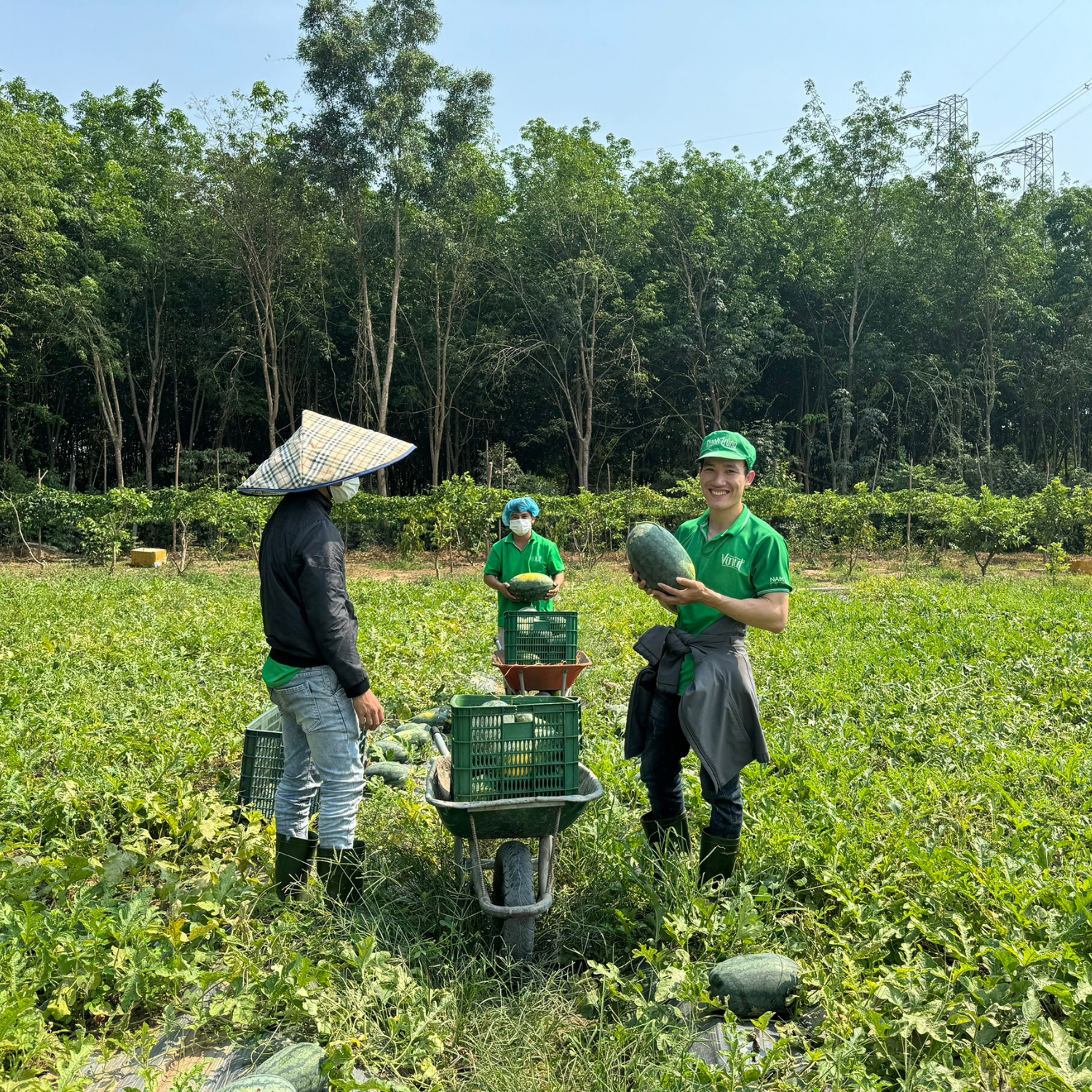
Own farms or long-term contracts with growers
Stable fruit supply year-round
Traceability from farm to factory
Documentation & Transparency
A trustworthy beverage OEM pure juice partner must provide full transparency for all ingredients and processes.
5. Example QA Checklist and Documentation Needs
Below is a sample QA checklist when working with a juice OEM for pure juice projects:
Quality Assurance Checklist
Full ingredient specification sheet (juice type, origin, Brix, maturity level)
Pesticide-residue test report
Microbiological test results
Additive-free declaration
Heavy metal testing report
Allergen statement
COA (Certificate of Analysis) for each production batch
HACCP and GMP compliance records
Shelf-life study results
Packaging compatibility test
Documentation Typically Required
Product formulation sheet
MSDS (Material Safety Data Sheet)
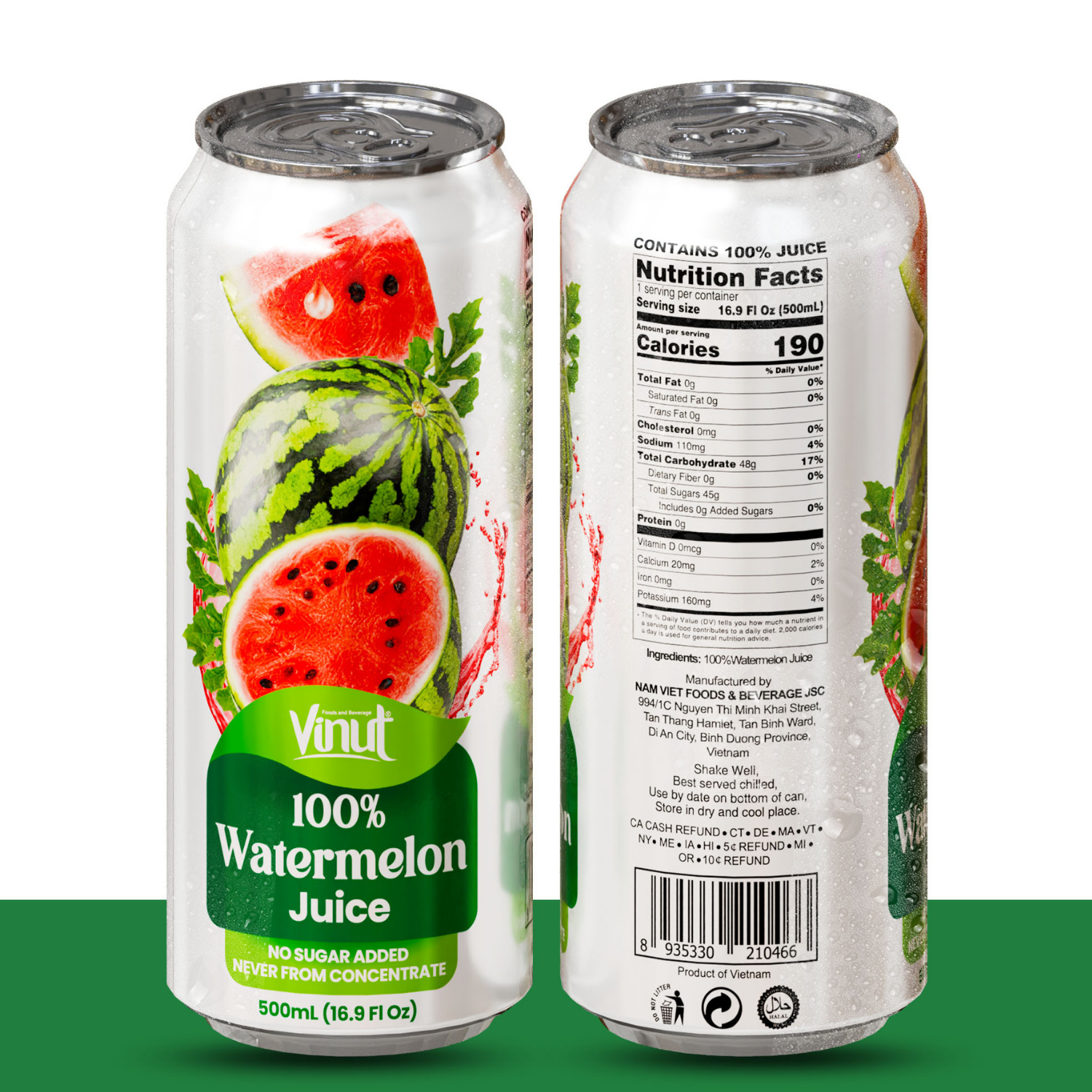
Nutrition facts label based on target market
Label compliance review
Production log and batch traceability file
Brands should collect and archive all documents in case of audits or export requirements.
6. Practical Next Steps for Brands Entering 100% Juice OEM Production
To successfully develop a premium pure juice product, brands should:
Define product specifications clearly
– Juice type, origin, Brix level, pulp content, NFC or concentrate.Request samples from multiple OEM manufacturers
– Compare taste, aroma, color, and ingredient transparency.Conduct a facility audit or virtual tour
– Evaluate hygiene, equipment, certifications, and compliance.Align on MOQ, lead time, pricing, and logistics
– Pure juice uses costly raw materials; plan budgets accordingly.Finalize labeling and regulatory compliance
– Ensure “100% juice” claims meet target market rules.Start pilot production and stability testing
– Verify flavor retention and shelf-life performance.
Working with a reputable 100% juice OEM manufacturer ensures your product meets consumer expectations for authenticity, nutrition, and premium quality.