News & Events
Top Questions to Ask a Fruit Juice Co-Packer Before Signing a Contract
Choosing the right fruit juice co-packer is a critical decision for any beverage brand. A reliable manufacturing partner can help you launch faster, ensure consistent quality, and scale your business smoothly. On the other hand, unclear agreements or missing information can lead to delays, cost overruns, or compliance risks.
Before signing any co-packing contract, brands should ask the right questions to fully understand the manufacturer’s capabilities, responsibilities, and limitations. Below are the top questions you should ask a fruit juice co-packer to protect your brand and ensure a successful partnership.
1. What Types of Fruit Juice Products Do You Specialize In?
Not all co-packers handle the same types of beverages. Some focus on 100% fruit juice, while others specialize in juice drinks, nectar, or functional beverages.
Key points to clarify:
Do you produce 100% juice, juice blends, or juice drinks?
Can you work with concentrate, puree, or NFC (not-from-concentrate) juice?
Do you support added vitamins, minerals, or functional ingredients?
Choosing a co-packer with proven experience in your specific product category reduces technical risks and reformulation costs.
2. What Packaging Formats and Sizes Are Available?
Packaging impacts shelf life, logistics, and consumer perception. Before moving forward, make sure the factory can meet your packaging needs.
Ask about:
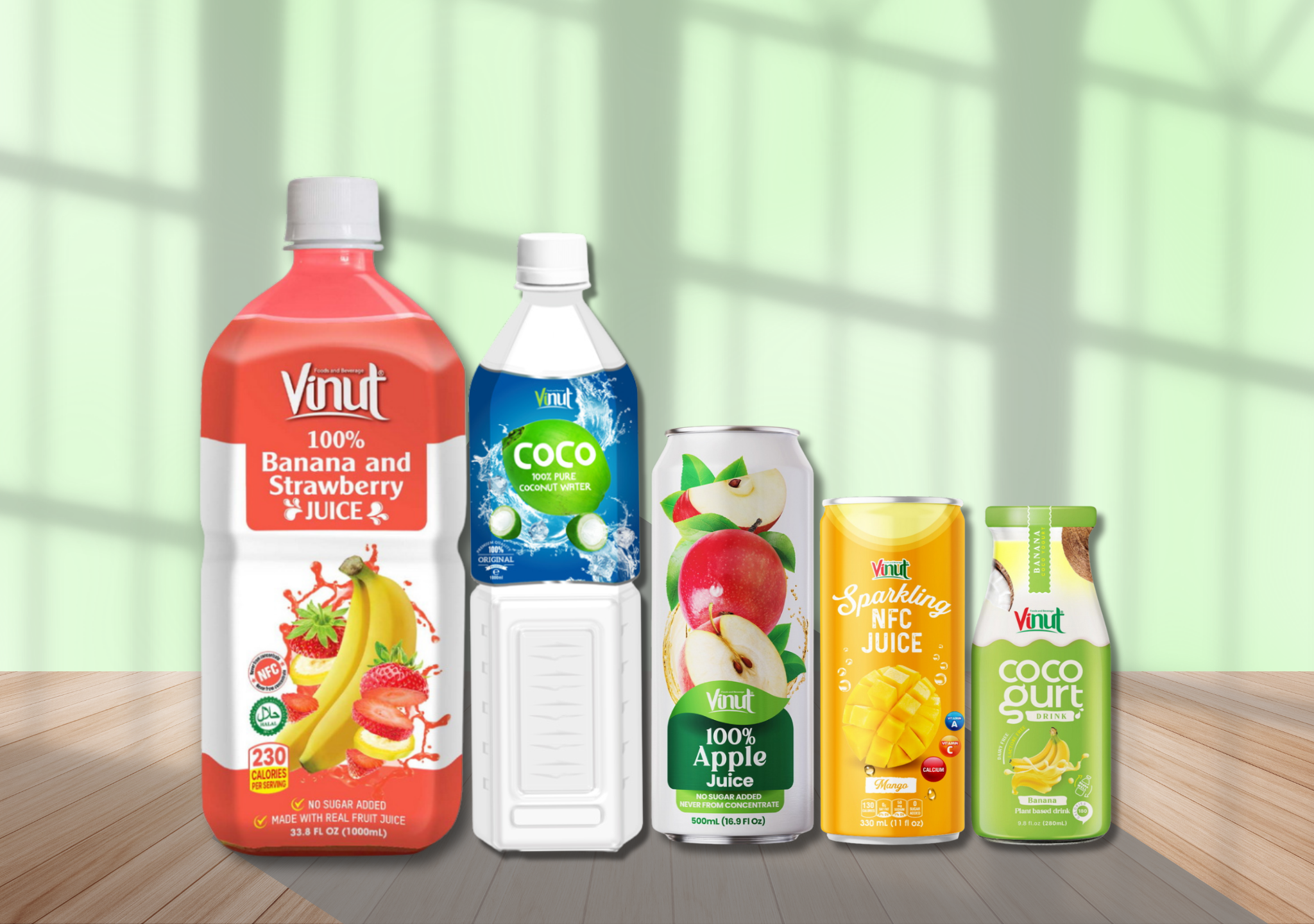
Available formats: cans, PET bottles, glass bottles, cartons
Volume options (e.g. 250ml, 330ml, 500ml, 1L)
Packaging minimums per SKU
Custom vs. standard packaging options
Also confirm whether the co-packer supports private label packaging and branding.
3. What Are Your Minimum Order Quantities (MOQ)?
MOQ requirements directly affect your initial investment and inventory risk.
Important questions include:
What is the MOQ per flavor and per packaging type?
Are trial or pilot runs available for new brands?
Can MOQs be adjusted as the partnership grows?
Transparent MOQ policies help you plan your launch realistically.
4. Which Certifications and Compliance Standards Do You Have?
Food safety and regulatory compliance are non-negotiable, especially for export markets.
You should ask:
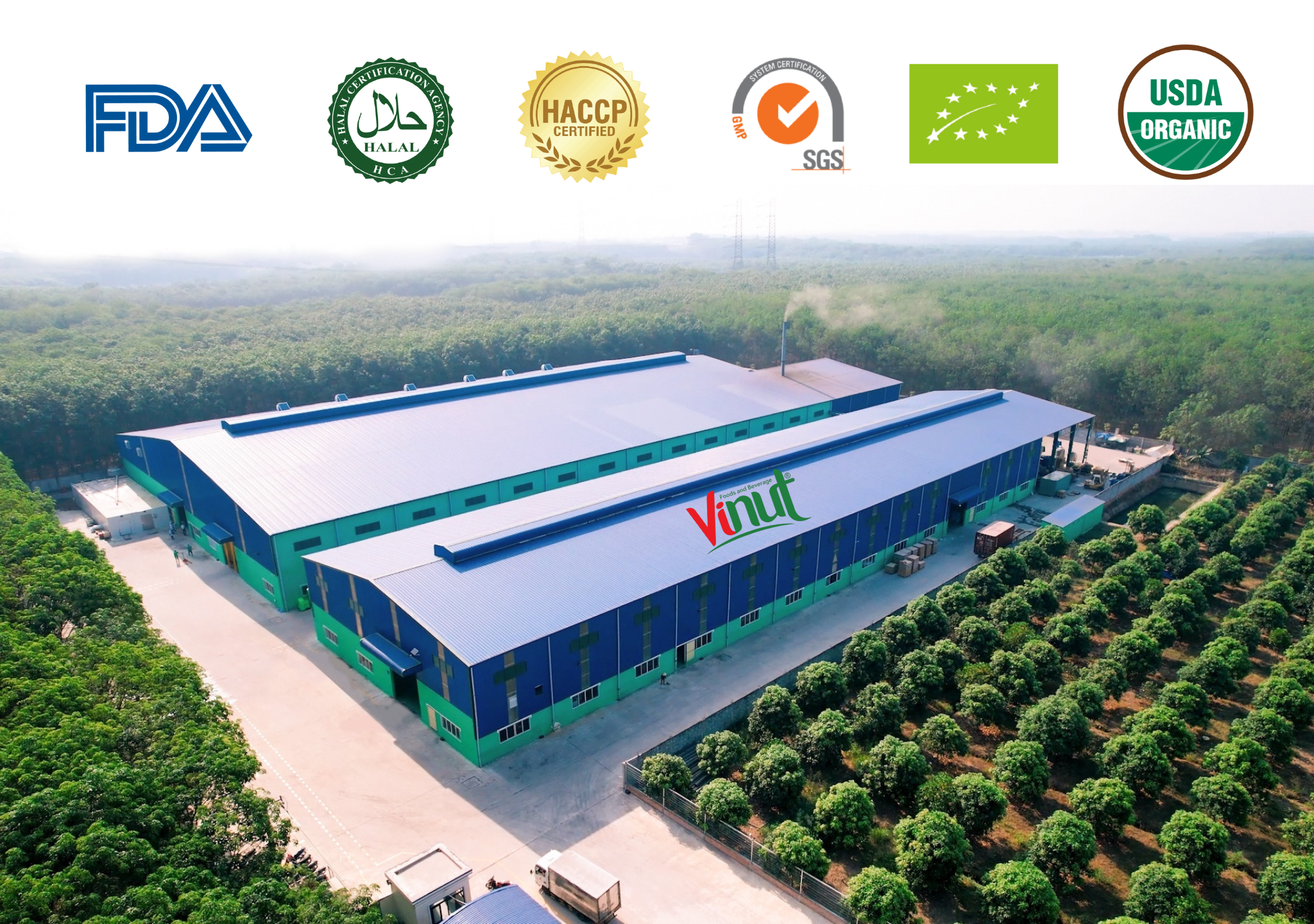
Which certifications do you hold? (e.g. HACCP, ISO 22000, FDA registration, Halal)
Do you comply with regulations for my target market?
How often are audits conducted?
A qualified co-packer should be able to provide up-to-date certification documents upon request.
5. Who Owns the Formula and Intellectual Property?
This is a crucial but often overlooked topic.
Clarify:
Who owns the product formula after development?
Will the co-packer use the same formula for other clients?
How is confidentiality protected?
Clear agreements on IP ownership help prevent future disputes and protect your brand’s uniqueness.
6. What Is the Product Development and Approval Process?
If you are developing a new product, understanding the development workflow is essential.
Ask about:
Timeline for sample development and revisions
Sensory testing and shelf-life testing options
Approval process before mass production
A structured development process indicates professionalism and experience.
7. How Do You Control Quality and Consistency?
Consistent taste, color, and safety are key to customer trust.
Important questions:
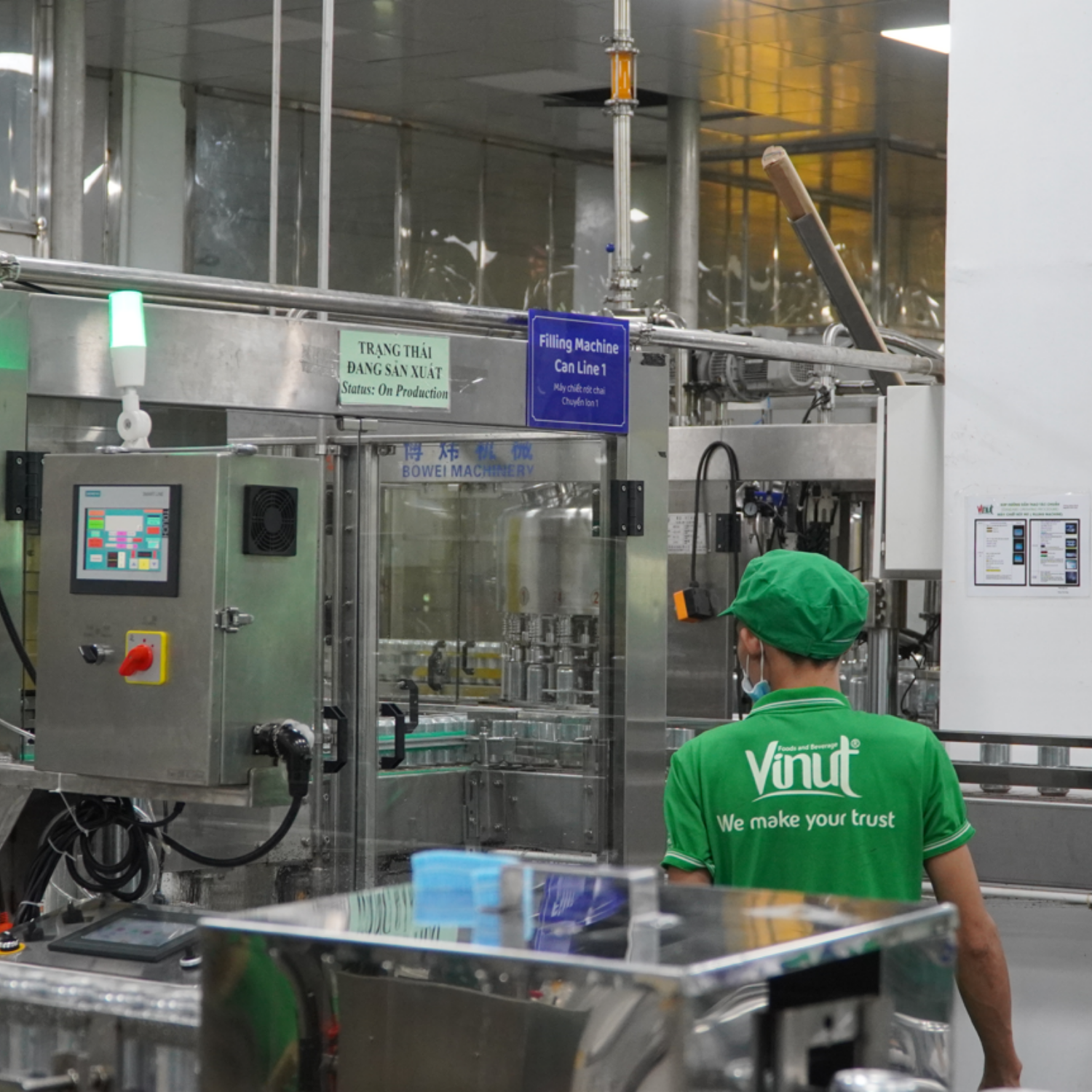
What quality control checks are done during production?
Are raw materials tested before use?
How are finished products inspected and documented?
Request examples of QA reports or testing procedures to evaluate their quality system.
8. What Are the Lead Times for Production and Delivery?
Understanding timelines helps you plan sales, marketing, and inventory.
Clarify:
Average lead time from order confirmation to shipment
Factors that may cause delays
Flexibility during peak seasons
Reliable co-packers provide realistic timelines and proactive communication.
9. What Is Included in the Pricing?
Pricing transparency is critical to avoid unexpected costs.
Ask for a clear breakdown:
Product cost vs. packaging cost
Mold or tooling fees (if any)
Label printing, testing, and logistics fees
Payment terms and conditions
This helps you accurately calculate your landed cost.
10. What Happens If There Are Quality Issues or Delays?
Finally, discuss risk management before problems arise.
Key questions:
How are quality complaints handled?
What compensation or corrective actions are offered?
Are responsibilities clearly stated in the contract?
A trustworthy co-packer will have clear policies and stand behind their products.
Signing a fruit juice co-packing contract is more than just agreeing on price. It’s about choosing a long-term manufacturing partner who understands your product, your market, and your growth goals.
By asking these key questions upfront, you can avoid costly mistakes, build a transparent partnership, and set your beverage brand up for long-term success.
If you are considering fruit juice OEM or private label manufacturing, taking the time to ask the right questions is the first step toward a successful launch.