News & Events
7 Key Insights on the Private Label Beverage Market Outlook (2025–2030)
The private label beverage market is emerging as one of the fastest-growing segments within the global drinks industry. Under increasing cost pressure, intense brand competition, and rising demand for product customization, more retailers, distributors, and F&B startups are choosing to develop their own beverage brands through OEM/ODM manufacturing instead of investing in production facilities.
This article analyzes the private label beverage market outlook, key growth drivers, emerging product trends, and business opportunities for companies from 2025 to 2030.
What Are Private Label Beverages?
Private label beverages are drink products manufactured by OEM/ODM factories but sold under the brand name of retailers, distributors, or brand owners, rather than the manufacturer’s own brand.
Typical examples include:
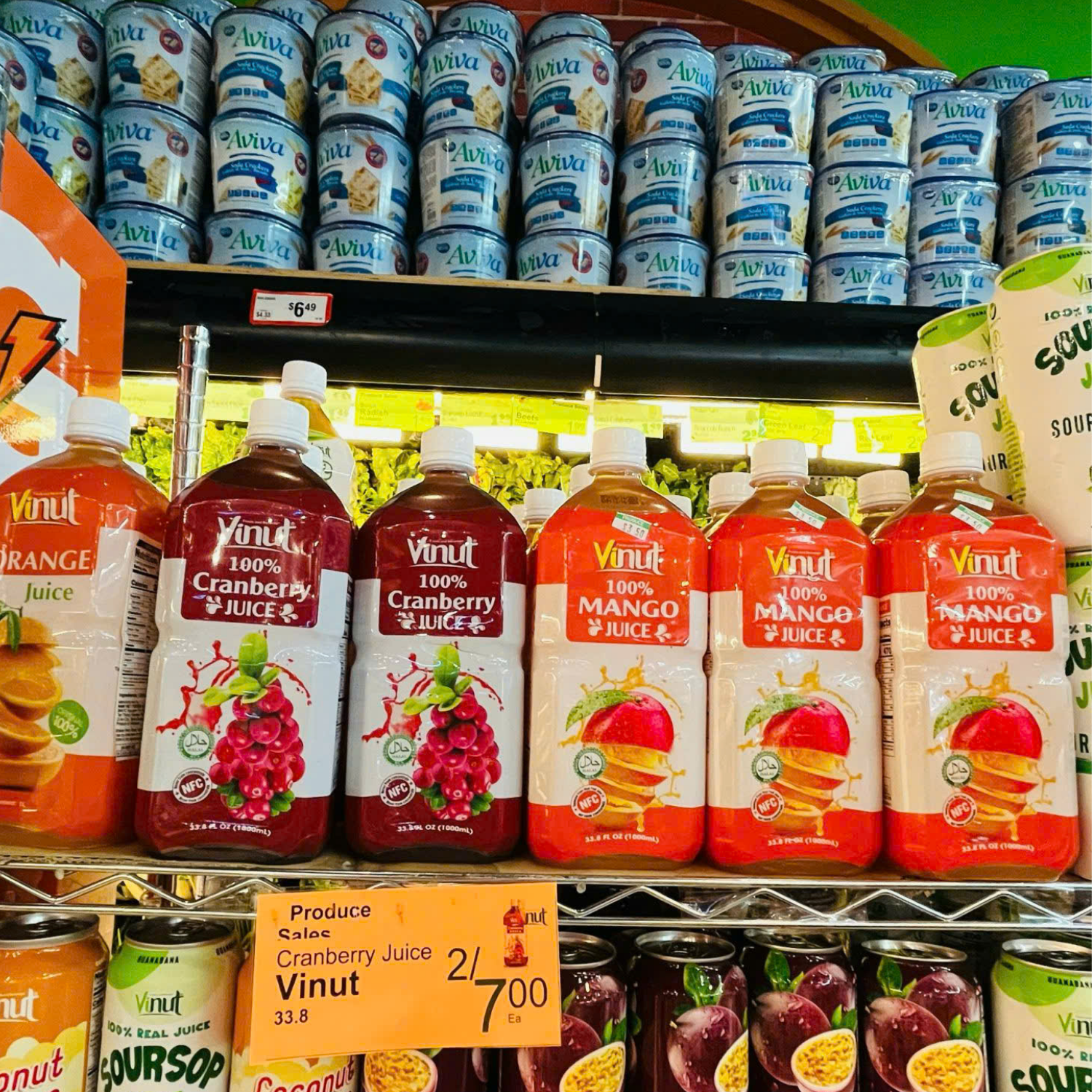
Fruit juice sold under supermarket brands
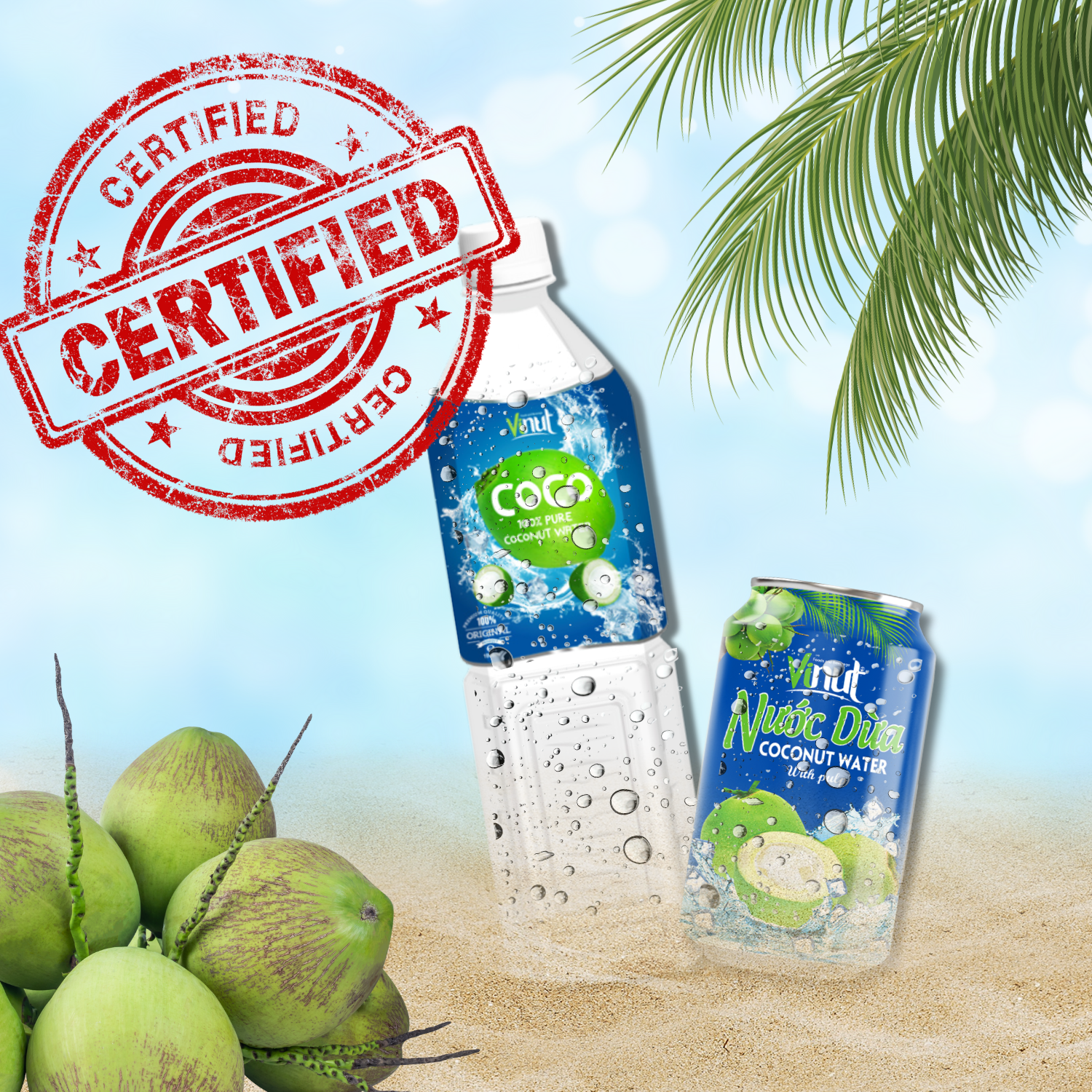
Canned coconut water for export markets under private labels
Health beverages developed by startups that outsource production
Market Size and Outlook for Private Label Beverages
1. Steady Growth in the Global Market
According to multiple F&B industry reports, private label products in general—and private label beverages in particular—are experiencing stable and long-term growth driven by:
Changing consumer behavior after inflationary periods
Expansion of modern retail chains
Cross-border e-commerce and international trade
By 2030, private label beverages are expected to represent a growing share of beverage portfolios across retailers in Europe, North America, the Middle East, and Africa.
2. Vietnam as a Strategic OEM/ODM Beverage Hub
Vietnam is increasingly recognized as a competitive OEM/ODM beverage manufacturing hub thanks to:
Abundant tropical fruit resources (coconut, aloe vera, mango, guava, passion fruit, etc.)
Competitive production costs
Strong experience in canned beverage exports
International certifications such as HACCP, ISO, FDA, and HALAL
These advantages position Vietnam as an ideal sourcing destination for companies looking to develop private label beverages for global markets.
Key Growth Drivers of the Private Label Beverage Market
1. Price-Sensitive Consumers
In uncertain economic conditions, consumers increasingly:
Prioritize value over brand names
Are more willing to try new products with comparable quality
Private label beverages typically retail at 10–30% lower prices than leading branded products, creating a strong competitive edge.
2. Retailers Seeking Margin Control
Private label strategies allow retailers to:
Set their own pricing strategies
Gain greater control over supply chains
Build long-term customer loyalty to their own brands
3. Lower Barriers for F&B Startups
Instead of investing heavily in manufacturing, new brands can:
Outsource production via OEM/ODM partners
Focus on branding, marketing, and distribution
Rapidly test and launch multiple product lines
Key Product Trends in Private Label Beverages
1. Health-Focused Beverages
Natural fruit juices
Low-sugar or no-added-sugar formulas
No preservatives
Non-GMO, gluten-free, and vegan claims
2. Coconut-Based Beverages
Private label coconut water continues to grow rapidly due to:
Rising demand for natural hydration
Strong acceptance in the US, EU, and Middle Eastern markets
3. Functional and Convenient Drinks
Natural energy drinks
Vitamin-enriched beverages
Ready-to-drink (RTD) formats
4. Sustainable Packaging
Recyclable aluminum cans
Eco-friendly packaging materials
Minimalist and premium-oriented designs
Business Opportunities in Private Label Beverages
1. Retailers and Distributors
Build exclusive brand portfolios
Improve profit margins
Expand product assortments efficiently
2. Exporters and International Traders
Develop market-specific private label brands
Customize formulations and packaging for different regions
3. F&B Startups and SMEs
Enter the beverage market with lower capital investment
Test products quickly
Scale production efficiently once products gain traction
Challenges to Consider
Consistent quality control
Compliance with local regulations and import standards
Selecting reliable OEM/ODM partners
Differentiating products beyond price competition
The private label beverage market outlook for 2025–2030 is highly positive, particularly in export-driven markets. With the right product strategy and a reliable manufacturing partner, private label beverages are not just a cost-saving solution but a powerful growth lever for F&B businesses.
For companies exploring new opportunities in the beverage industry, developing private label beverages through OEM/ODM manufacturing represents a strategic and scalable path forward.