News & Events
Cold Pressed Juice Private Label: From Idea to Launch
Launching a cold pressed juice private label is one of the fastest-growing opportunities in the functional beverage market. With consumers demanding fresher, cleaner, and nutrient-dense drinks, brands can leverage private label manufacturing to enter the market quickly and competitively. This guide walks you through the essential steps—from concept to commercial launch.
What Is Cold Pressed Juice?
Cold pressed juice is produced using a hydraulic press that extracts liquid from fruits and vegetables without generating heat. Unlike conventional centrifugal juicing—which uses high-speed spinning blades that create friction and oxidation—cold pressing minimizes nutrient loss and preserves the natural flavor profile.
Key characteristics of cold pressed juice include:
Higher nutrient retention due to minimal heat and oxidation
Naturally vibrant color and clean flavor
Smoother texture with less foam and separation
Ideal for premium, healthy, detox, and functional beverage categories
Can be combined with High Pressure Processing (HPP) to extend shelf life while maintaining quality
Because of its premium positioning and nutritional advantages, cold pressed juice is a top choice for brands developing juice private label cold pressed lines.
1. Definition and Appeal of Cold Pressed Juice Private Label
A cold pressed juice private label refers to a juice brand created and owned by you but manufactured by a third-party partner such as a cold pressed juice private label manufacturer, cold pressed juice OEM, or cold pressed juice co-packer.
Cold pressing uses high-pressure extraction without heat, helping preserve vitamins, enzymes, and natural flavors.
Key benefits include:
Lower entry cost compared to building your own factory
Shorter time-to-market with ready formulation and production systems
Premium positioning thanks to cold-pressed extraction
Brand ownership while outsourcing technical manufacturing
Ability to scale using an experienced juice private label cold pressed partner
1. Definition and Appeal of Cold Pressed Juice Private Label
A cold pressed juice private label refers to a juice brand created and owned by you but manufactured by a third-party partner such as a cold pressed juice private label manufacturer, cold pressed juice OEM, or cold pressed juice co-packer.
Cold pressing uses high-pressure extraction without heat, helping preserve vitamins, enzymes, and natural flavors.
Key benefits include:
Lower entry cost compared to building your own factory
Shorter time-to-market with ready formulation and production systems
Premium positioning thanks to cold-pressed extraction
Brand ownership while outsourcing technical manufacturing
Ability to scale using an experienced juice private label cold pressed partner
2. Main Stages From Idea to Finished Product
Creating a premium juice private label requires a structured process. The typical stages include:
a. Product ideation & market positioning
Define your target customers: detox, fitness, wellness, lifestyle, retail, or HORECA.
Decide flavor concepts (e.g., green juice, immunity blends, tropical mixes).
b. Recipe development
Choose cold-pressed ingredients, sweetness level, fiber content, or added functional ingredients.
Your cold press juice OEM partner helps adjust taste, texture, and nutritional profile.
c. Sampling & formulation approval
Receive prototypes
Test for taste, color, aroma, and mouthfeel
Approve formulation for production
d. Packaging selection
Decide bottle material (PET, HDPE, glass), size (250ml, 300ml, 500ml), and closure type.
Design labels according to your brand identity and local regulations.
e. Production & filling
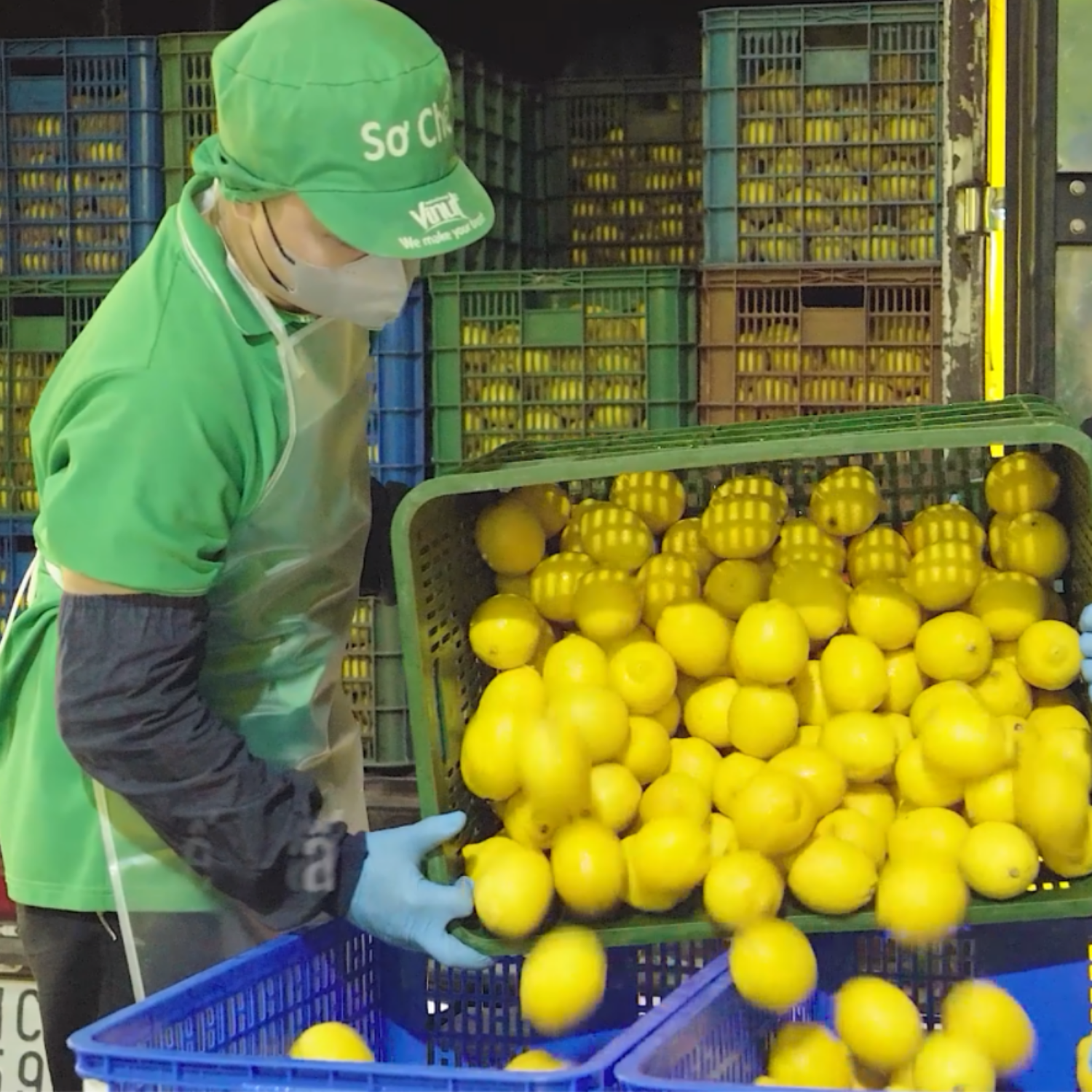
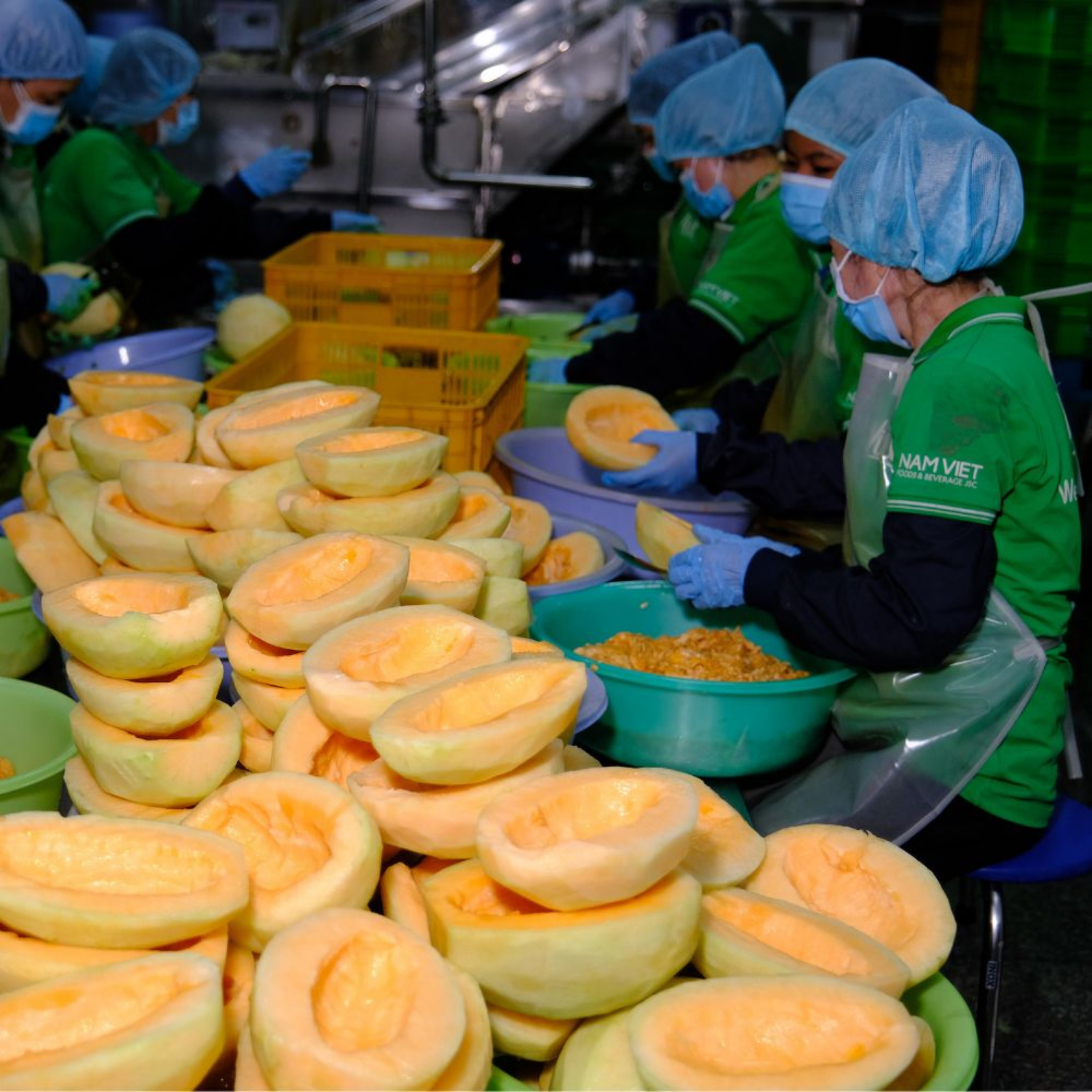
Ingredients washed, crushed, cold-pressed, filtered
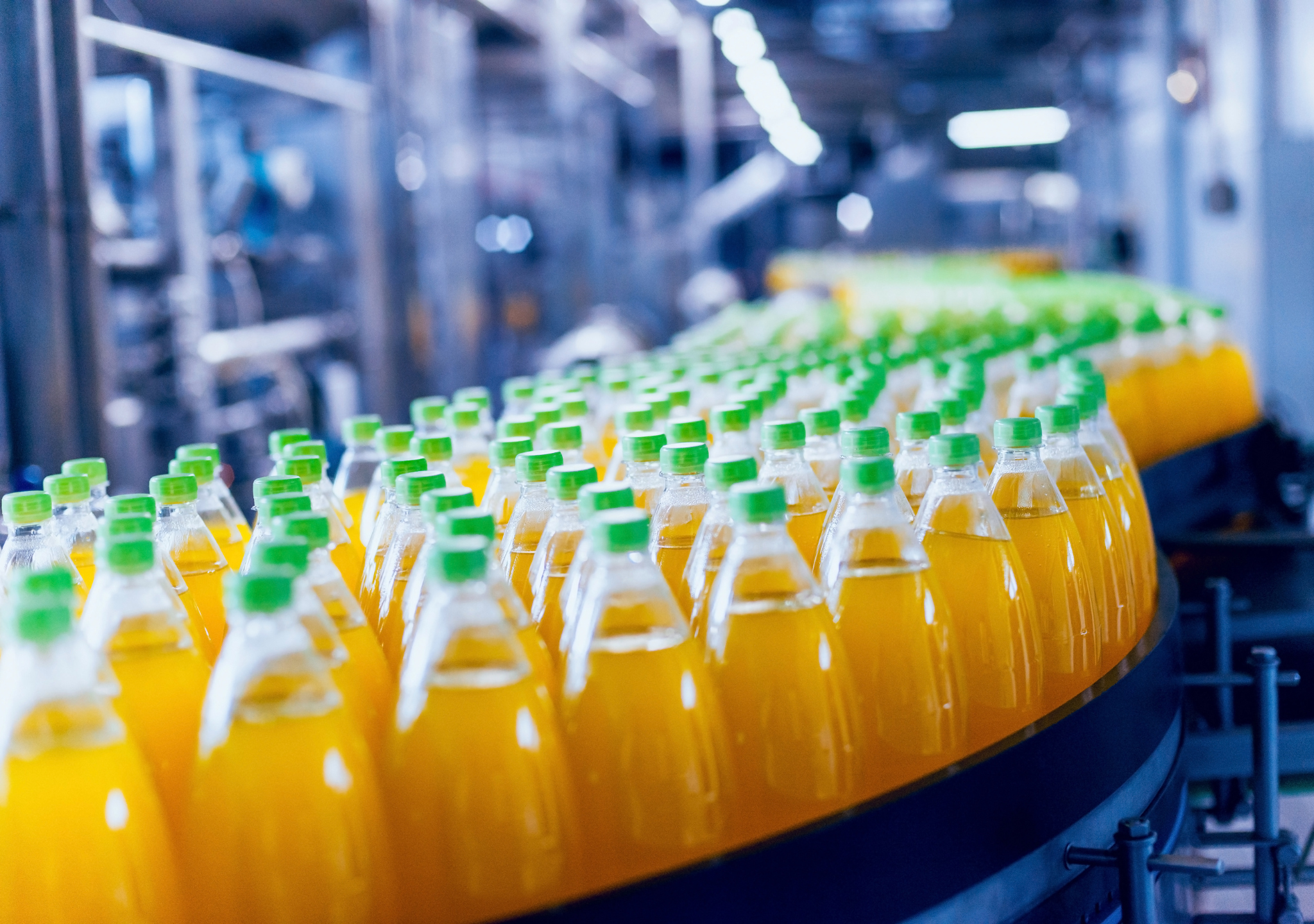
Bottling under hygienic standards
Optional HPP treatment for shelf-life extension
f. Quality assurance
Microbial testing
Brix, pH, viscosity checks
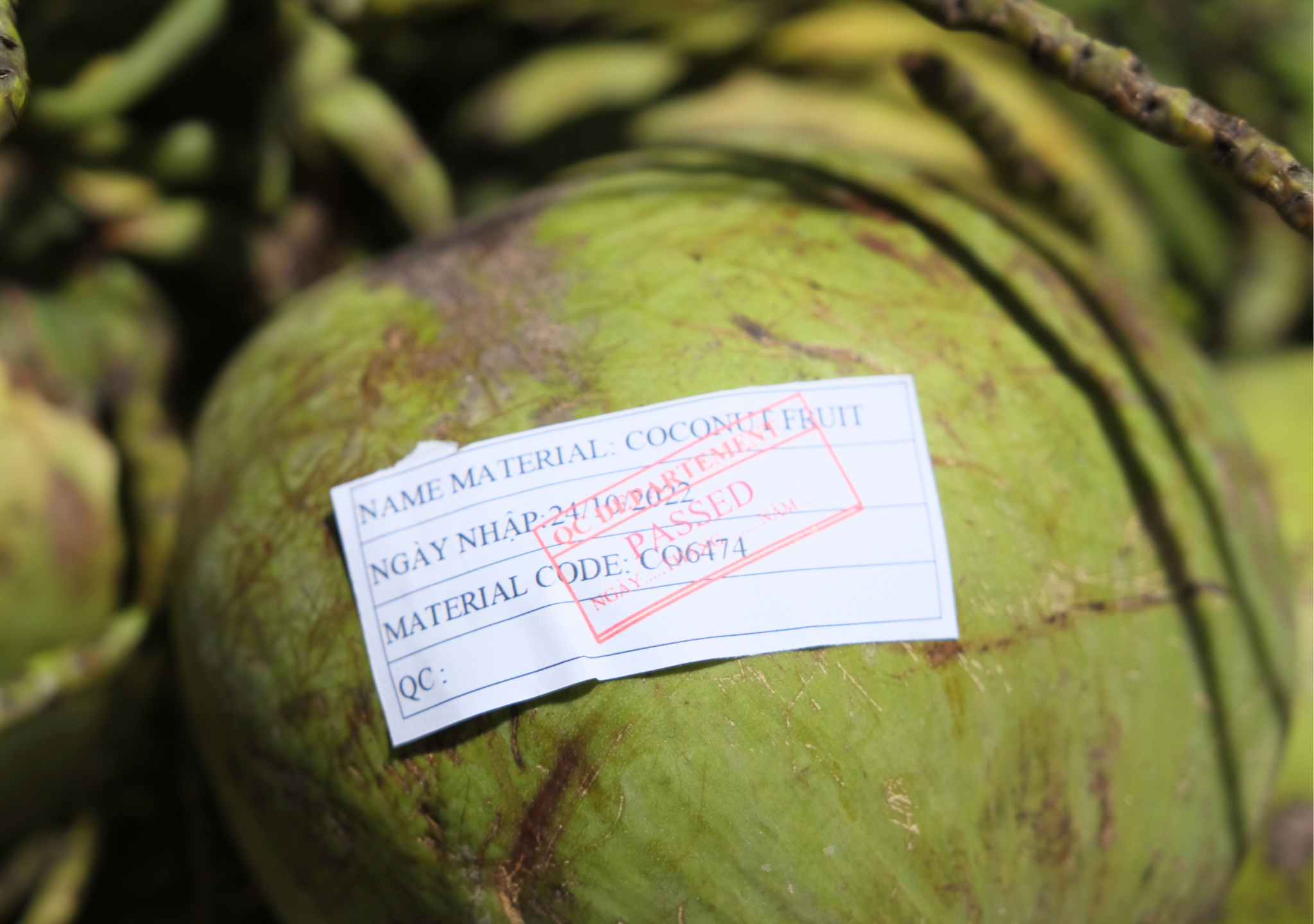
Label accuracy and batch traceability
3. Timeline Example and Milestones
A typical cold pressed juice private label project takes 4–10 weeks, depending on formulation complexity.
| Week | Milestone |
|---|---|
| 1 | Concept briefing, product positioning, flavor selection |
| 2–3 | Sample development & revisions |
| 4 | Final formula approval + packaging choice |
| 5–6 | Label design, artwork finalization, compliance check |
| 7–8 | Trial production + HPP (if required) |
| 9–10 | Full production, packing, and shipment |
Fast-track projects with simple recipes can launch in as little as 3–4 weeks with experienced cold pressed juice co-packers.
4. Packaging, Labeling, and Quality Control Highlights
Packaging tips
Choose materials that protect freshness and align with your brand’s eco-message.
Use UV-protected bottles for sensitive ingredients like chlorophyll-rich greens.
Ensure tamper-evident caps for safety.
Labeling essentials
Ingredient list and allergen statements
Nutrition facts panel
“Cold-pressed” or “High Pressure Processed (HPP)” claims where applicable
Country-specific regulatory compliance
Quality control focus
Cold chain consistency (0–4°C)
Batch testing for pathogens
Stability checks for color and separation
Traceability documentation
GMP & HACCP compliance from your cold pressed juice private label manufacturer
5. Shelf-Life and Storage Considerations
Cold pressed juices have a shorter shelf-life due to minimal processing. Typical ranges:
Raw, unprocessed cold pressed juice: 3–5 days
HPP-treated cold pressed juice: 20–45 days
Pasteurized (not common for premium cold-pressed brands): Up to 6 months
Storage recommendations:
Keep at 0–4°C at all stages
Minimize exposure to light and oxygen
Use insulated logistics for transportation
Monitor temperature with data loggers for large shipments
6. Short Checklist for Launch Readiness
Before launching your cold pressed juice private label, confirm the following:
Product & Branding
Final formula approved
Flavor lineup ready (1–5 SKUs recommended for launch)
Packaging & labels finalized
Manufacturing
Contract signed with your cold pressed juice OEM or co-packer
Trial batch approved
Quality assurance requirements documented
Compliance
Nutritional facts & ingredients verified
Country-specific labeling approved
Certificates available (HACCP, GMP, FDA if exporting to US)
Logistics
Production date confirmed
Cold chain logistics arranged
Storage conditions clearly communicated
Go-to-Market
Launch plan and pricing strategy
Sales channels ready: retail, distribution, online
Marketing assets prepared (product photos, descriptions, claims)